About this course

Build your skills in chainsaw operation and tree cutting

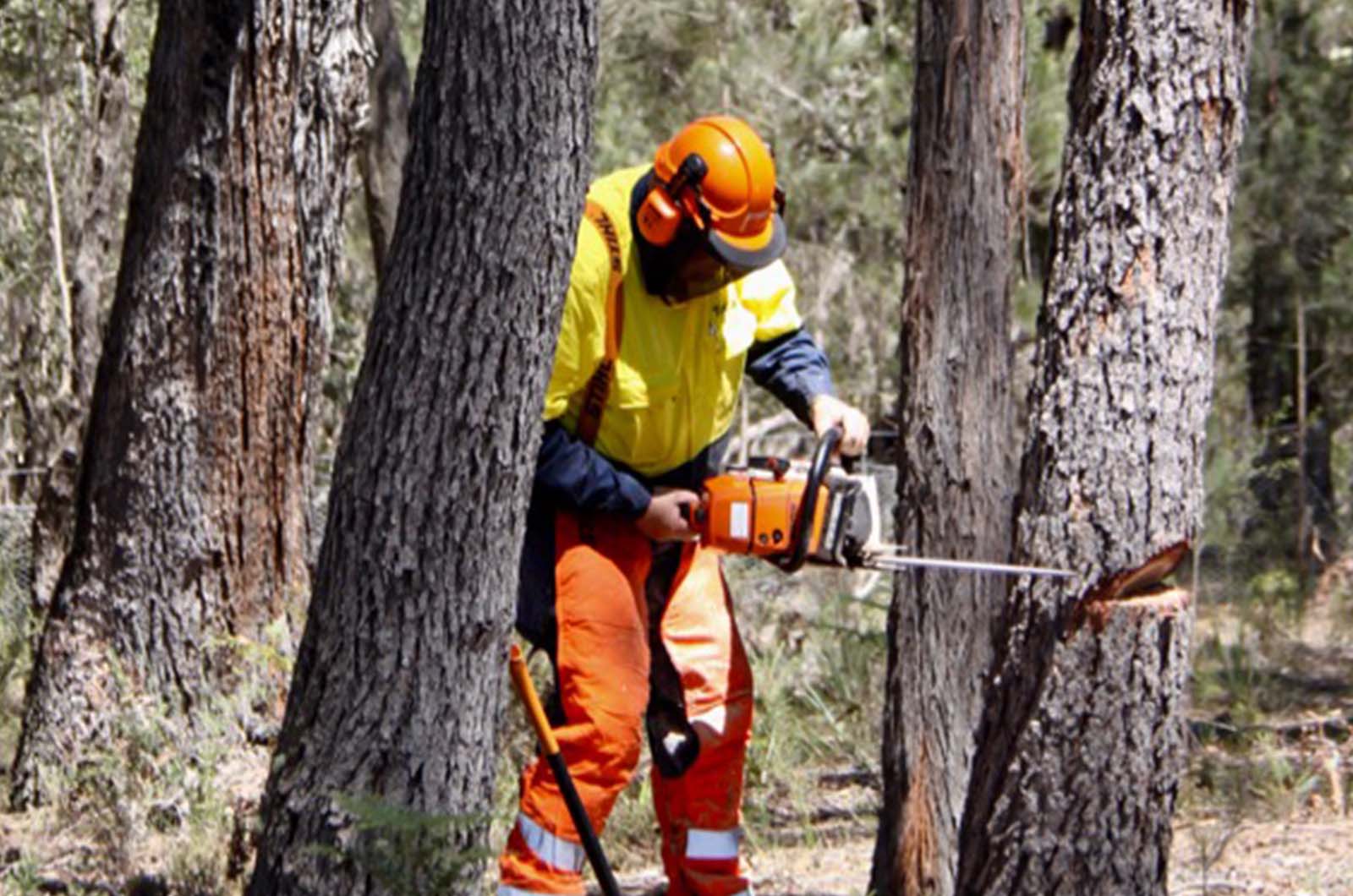
Using a chainsaw safely requires the right skills, equipment and knowledge. This two-day, hands-on course will give you practical experience operating and maintaining a chainsaw, along with the skills to trim and cross-cut felled trees safely and efficiently.

You’ll learn how to:

  • identify and follow work health and safety (WHS) requirements for chainsaw operations
  • select and use the correct personal protective equipment (PPE)
  • maintain and operate a chainsaw safely and efficiently
  • cross-cut felled trees in line with industry standards
  • follow safe work practices in a range of working environments.

Whether you’re developing your chainsaw skills for work or property maintenance, this course will help you build your confidence and work more safely when using chainsaws.

Is this course right for me?

Before registering, check that this course suits you. You’ll need to be at least 16 years old and physically able to lift, carry and operate equipment across uneven or rugged terrain. The course involves practical chainsaw work, so you should be comfortable standing, bending and kneeling for extended periods and handling moderate loads. You’ll also need to be comfortable following safety instructions and wearing the required personal protective equipment. If you meet these requirements and want to build your chainsaw operation and tree-cutting skills, click on the register now button.

At a glance:

Location: Statewide
Course duration: 2 days
Start date: Multiple intakes
Number of units: 2
Indicative fees: $925 (GST free)

Fee free to eligible applicants

Accredited Course: Yes

Details

  • Identify cross cutting requirements
  • Prepare and maintain equipment
  • Assess tree and plan cutting
  • Trim and cross-cut tree safely and efficiently

$925 GST-free

Fee free to eligible applicants.

For more information contact a skills training coordinator in your area here

  • WHS requirements identify operational hazards and control measures
  • Chainsaw design, components, servicing and chain sharpening
  • Start up and shut down procedures
  • Basic cross cutting techniques
  • Basic cross cutting techniques continued
  • Controlling kickback
  • Servicing and sharpening as required
  • Advanced cross cutting techniques
  • Field exercises eg. cutting timber in binds, oversize logs, boring, ripping, limbing and trimming
  • Trim and cross-cut felled trees to site plan requirements

  • Participants are provided with the Workspace Training’s Chainsaw Operation: Beginner to Advanced manual.
  • This course is delivered using both indoor and outdoor instruction.

Participants must:

  • Be 16 years of age or older.
  • Have the physical strength, stamina, and agility to lift, carry, and maneuver heavy chainsaw equipment across uneven, sloped, or rugged outdoor terrain.
  • Be physically capable of standing, bending, crouching, and kneeling for extended periods while handling operational loads and managing vibration forces.
  • Be willing and able to wear full mandatory Personal Protective Equipment (PPE) at all times during practical training (including cut-resistant chaps/trousers, steel-cap boots, helmet with face shield and hearing protection, and heavy-duty gloves).
  • Strictly follow instructor safety directions and Work Health and Safety (WHS) protocols.
  • Not have disqualifying medical conditions that could impair physical balance, manual dexterity, reaction speed, vision, or the safe control of high-risk power tools.

Language, Literacy, Numeracy, and Digital Capability Requirements

To complete this course successfully, participants will need:

  • Reading: Interpreting chainsaw operator manuals, bar and chain maintenance charts, fuel-mixing instructions, Safety Data Sheets (SDS), and site safety signage.
  • Writing: Completing pre-operational equipment checklists, risk assessment forms (Job Safety Analysis / Take 5), and maintenance log entries.
  • Numeracy: Calculating 2-stroke fuel-to-oil mix ratios, measuring log lengths for cross-cutting, and assessing timber tension and compression forces.
  • Oral Communication & Hearing: Communicating clearly with ground crew and spotters in high-noise environments using established visual hand signals and verbal callouts, and immediately obeying emergency stop commands.
  • Digital Literacy: Basic computer or smartphone skills.

This course is mapped to the following national units of competency:


Additional Information

For information on students rights and responsibilities, and the Tocal College Code of Practice see Industry qualification student policies.


Upcoming Scheduled Courses

Related courses