About this course

Make the most of bees for crop pollination

Bees play an important role in pollinating many horticultural crops, but successful pollination takes planning and the right approach. This one-day course at Tocal is designed for both beekeepers and horticulturists who want to understand how to use bees for large-scale pollination. You’ll learn how to assess colonies, understand crop requirements and make informed decisions about pollination services.

You’ll learn how to:

  • assess and manage honey bee colonies for pollination
  • understand how pollination works and what affects its success
  • calculate pricing and formalise pollination contracts
  • monitor bee colony performance during pollination
  • identify the pollination requirements of different crops
  • recognise risks that can reduce pollination efficiency
  • understand the role of other pollinators in crop production.

Whether you’re a beekeeper looking to provide pollination services or a horticulturist wanting to improve crop pollination, this course will help you understand how to get the most from the relationship between bees and crops.

Is this course right for me?

This course is suited to beekeepers interested in providing pollination services and horticulturists who want to improve their understanding of bee pollination. It will help you assess whether colonies are suitable for pollination work, understand crop requirements and explore the practical and commercial considerations involved. If you want to make more informed decisions about using bees for crop pollination, click on the register now button.

At a glance:

Location: Statewide
Course duration: 1 day
Start date: Multiple intakes
Number of units: 1
Indicative fees: $565 GST-free
Accredited Course: Yes

Details

  • Assess pollination service requirement
  • Price and formalise agreement for pollination services
  • Monitor pollination performance of bee colonies
  • Comply with industry and legislative requirement

The total cost of the course is $565 GST-free which includes all learning resources, morning tea, lunch and afternoon tea.

Participants study the following topics:

  • What is pollination? Flower structures and pollination scenarios
  • What are pollinators? The birds, bees, bats and other insects
  • Bee biology for pollination
  • Commercial pollination logistics
  • Pollination standards: hive grading
  • Individual crop requirements
  • Orchard design to maximise pollination
  • Hive management in the crop
  • Hive assessment & auditing
  • Post-pollination hive management
  • Contracts between beekeeper and grower
  • Pesticides and pollinator impact
  • Protected cropping pollination
  • Honey bee biosecurity
  • Native bees and novel honey bee uses.

  • Each participant receives the Pollination using honey bees Ag guide.
  • This course is delivered using both indoor and outdoor instruction.

Participants must:

  • Be active commercial or semi-commercial beekeepers, orchardists, horticulturists, agronomists, or farm managers seeking to optimize crop yield through paid or on-farm pollination services.
  • Have a basic working knowledge of either crop flowering cycles or honey bee colony management.
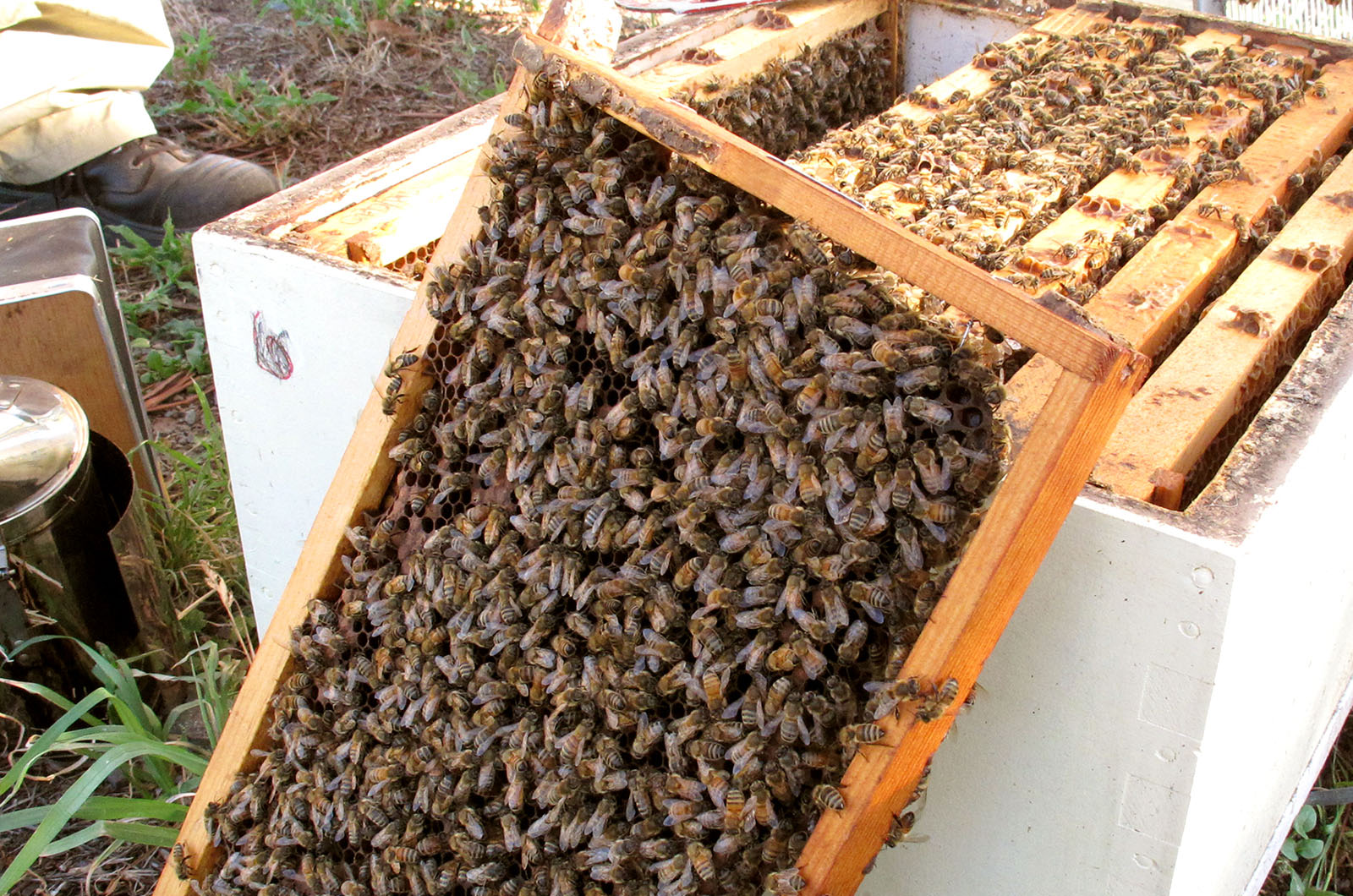
  • Be comfortable taking part in outdoor field walks to inspect hives, evaluate colony strength (frame counts), and observe floral foraging behavior.
  • Strictly follow biosecurity standards and trainer safety directions during field evaluations.

Language, Literacy, Numeracy, and Digital Capability Requirements

To complete this course successfully, participants will need:

  • Reading: Interpreting commercial pollination contracts, crop stocking rate guidelines, pesticide safety notices/withholding periods, and colony strength standards.
  • Writing: Drafting pollination service agreements, completing hive strength inspection sheets, logging placement/removal dates, and tracking crop bloom stages.
  • Numeracy: Calculating hive stocking density requirements (hives per hectare based on crop type), calculating contract pricing and transport margins, measuring target frame counts (e.g., minimum 8–10 frames of bees), and monitoring weather parameters (temperature/wind thresholds for flight activity).
  • Oral Communication & Hearing: Negotiating terms between growers and beekeepers, conducting pre-season safety alignments, and participating in group planning exercises.
  • Digital Literacy: Basic computer or smartphone skills

This course has been mapped to the national unit of competency AHCBEK408 Provide bee pollination services.


Additional Information

For information on students rights and responsibilities, and the Tocal College Code of Practice, see Industry qualification student policies.


Related courses