Participants must:
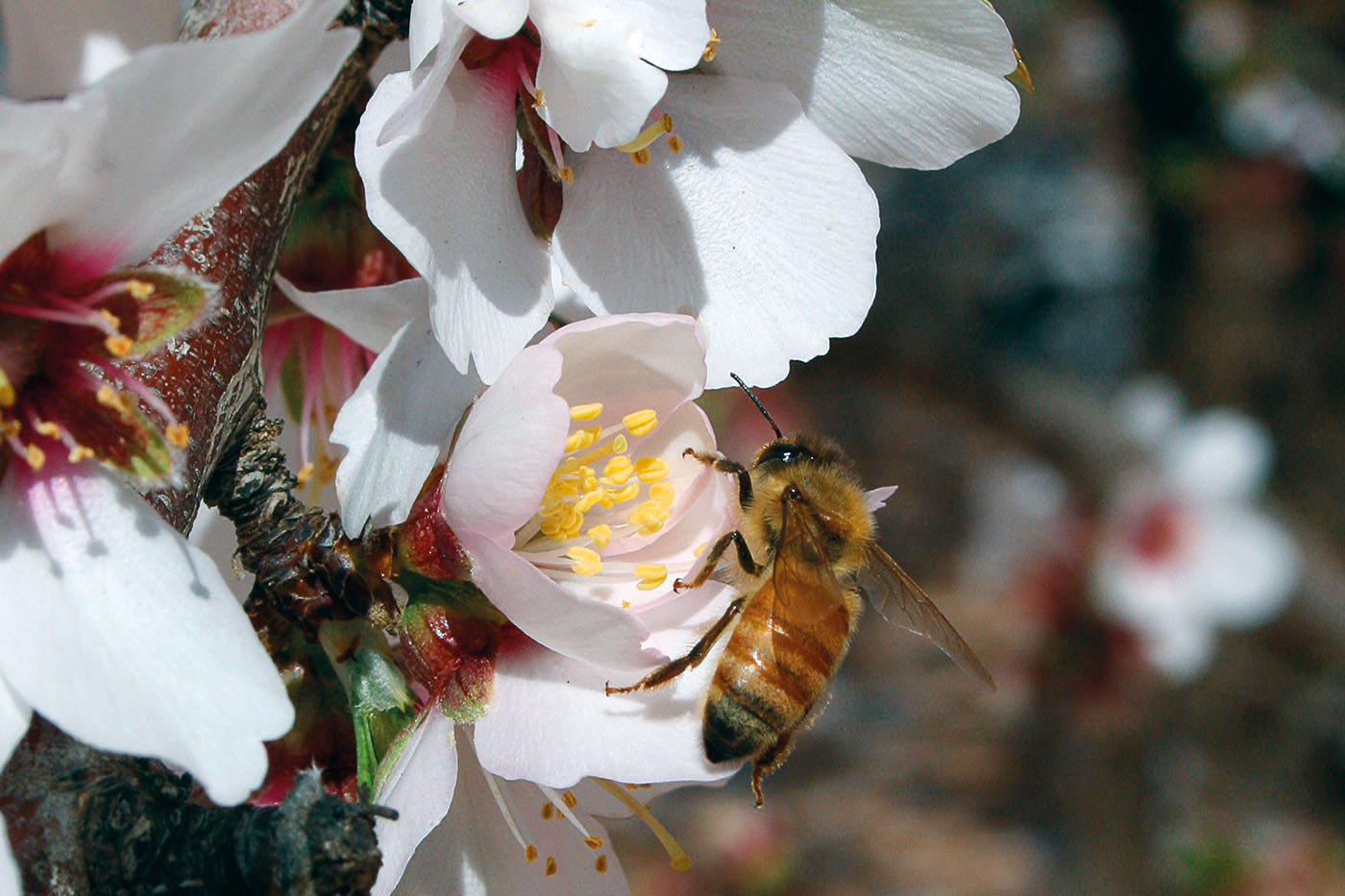
- Be comfortable working outdoors and handling live European honey bees while wearing protective beekeeping equipment.
- Have no known severe or life-threatening allergies to bee stings (anaphylaxis).
- Be physically capable of lifting, carrying, and maneuvering hive components (such as full honey supers weighing up to 15–20 kg).
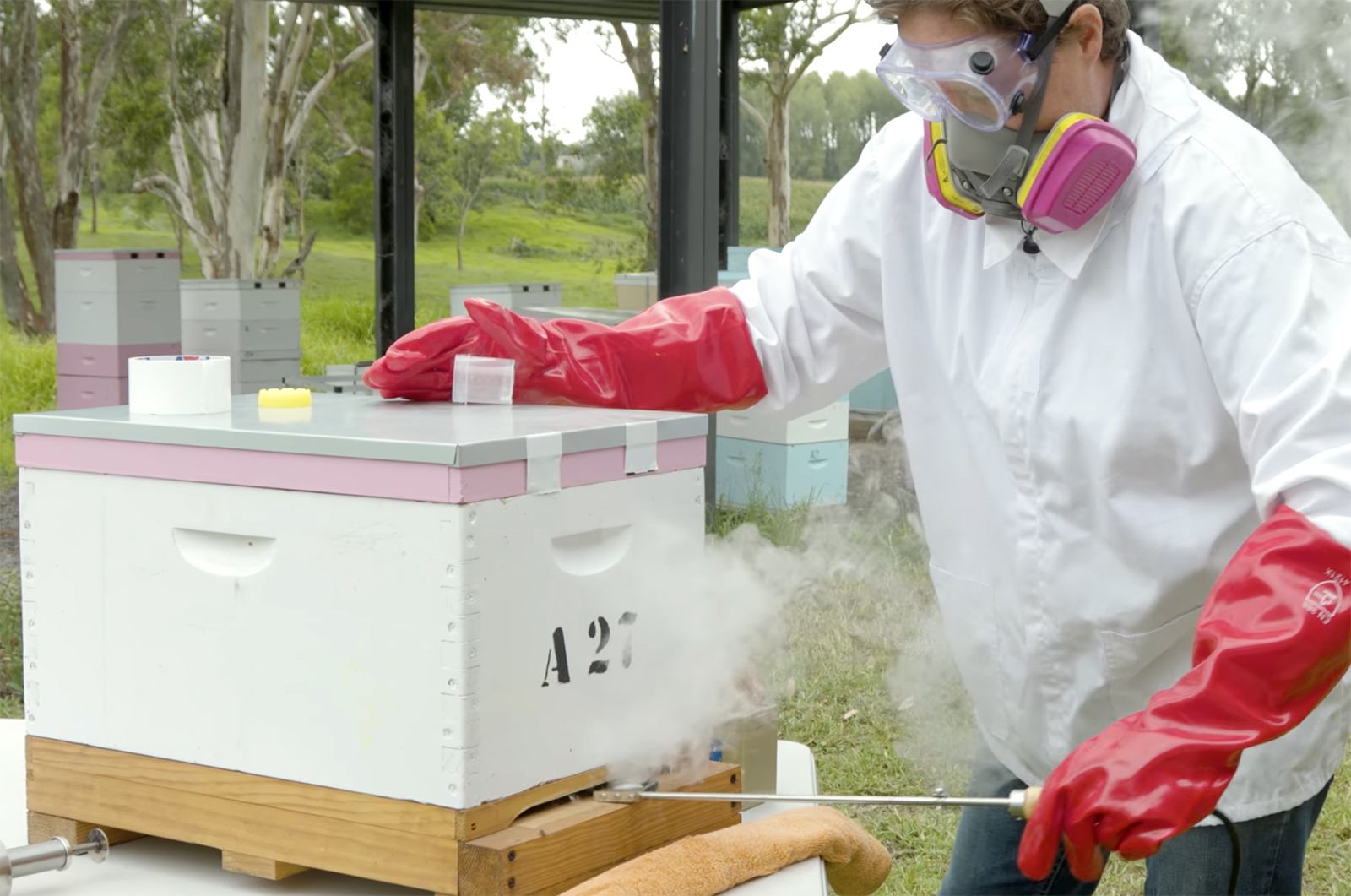
- Wear mandatory protective personal gear during practical hive inspections, including a full bee suit or jacket with veil, protective gloves, and sturdy closed-in leather footwear.
- Strictly follow safety instructions and bio-hygiene procedures provided by trainers when working near open hives and using bee smokers.
Language, Literacy, Numeracy, and Digital Capability Requirements
To complete this course successfully, participants will need:
- Reading: Interpreting basic beekeeping guides, hive component assembly instructions, disease inspection checklists, and bee smoker fuel safety guidelines.
- Writing: Recording basic hive observation notes, inspection logs, and swarm management records.
- Numeracy: Tracking hive counts, estimating brood frame coverage percentages, measuring feeding ratios (sugar-to-water mixes), and monitoring seasonal timing schedules.
- Oral Communication & Hearing: Communicating clearly with trainers and fellow participants while working around active apiaries and listening for safety directions.
- Digital Literacy: Basic computer or smartphone skills.


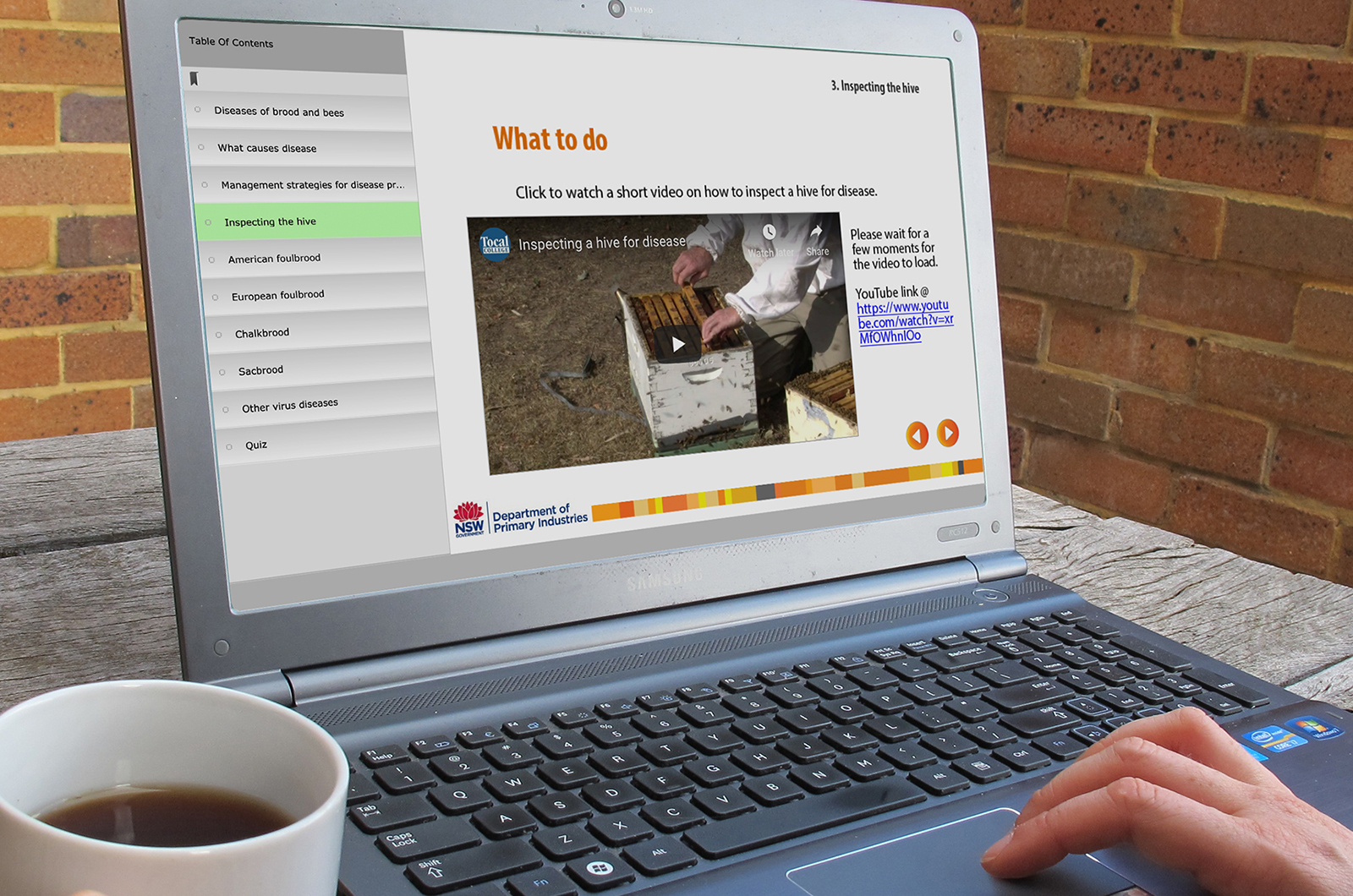 Type: Online
Units: 1