Participants must:
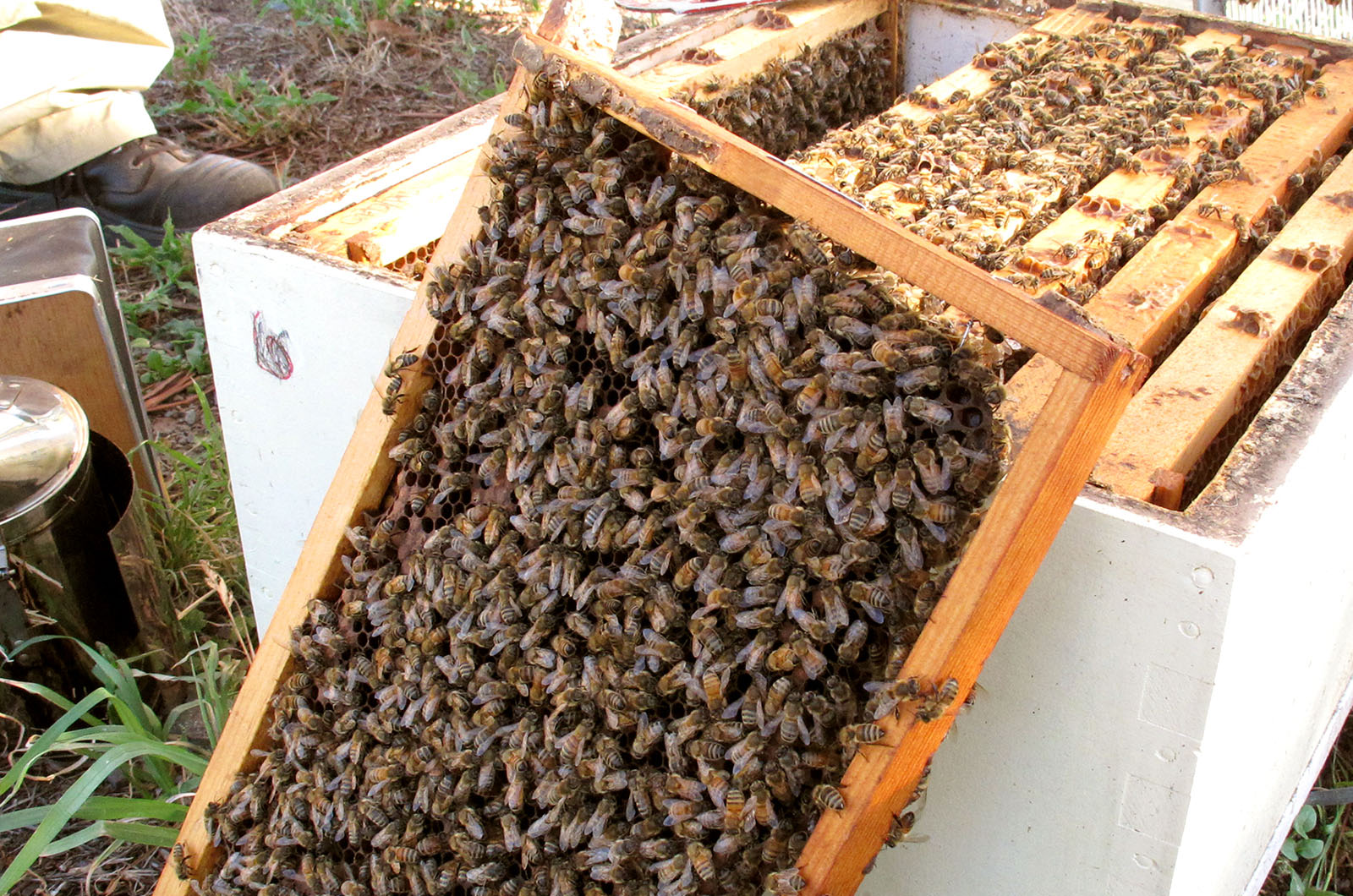
- Be actively keeping bees, managing apiary sites, or preparing to establish a hive network while fulfilling mandatory biosecurity obligations.
- Be comfortable working outdoors around active honey bee colonies while wearing protective equipment.
- Have no known severe or life-threatening allergies to bee stings (anaphylaxis).
- Be physically capable of lifting and inspecting hive boxes, standing for extended outdoor periods, and handling apiary equipment across uneven terrain.
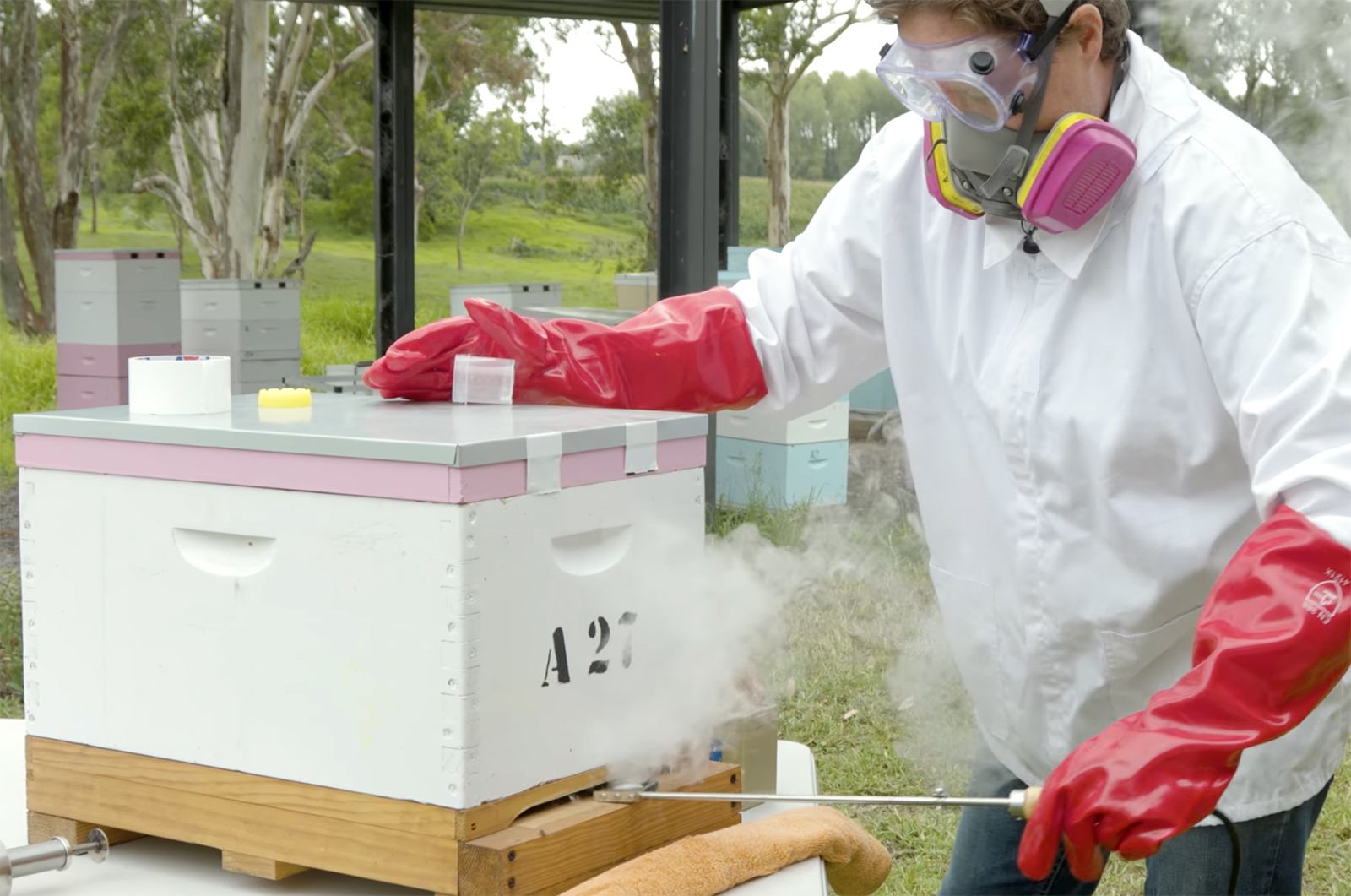
- Supply and wear mandatory protective personal gear during practical apiary sessions (including full bee suit or jacket with veil, protective gloves, and sturdy closed-in leather footwear).
- Strictly comply with field biosecurity measures, sanitation protocols, and trainer safety directions.
Language, Literacy, Numeracy, and Digital Capability Requirements
To complete this course successfully, participants will need:
- Reading: Interpreting the Australian Honey Bee Industry Biosecurity Code of Practice, statutory biosecurity legislation, pest/disease identification guides, and state reporting requirements.
- Writing: Completing mandatory biosecurity logbooks, recording hive inspection results, drafting apiary biosecurity plans, and maintaining traceability records.
- Numeracy: Tracking inspection frequencies, calculating pest infestation rates (e.g., alcohol wash/sugar shake counts), measuring barrier management ratios, and logging hive movements.
- Oral Communication & Hearing: Communicating effectively with state biosecurity officers, reporting suspect exotic pests or diseases immediately to authorities, and following trainer safety briefings around hives.
- Digital Literacy: Basic computer or smartphone skills.


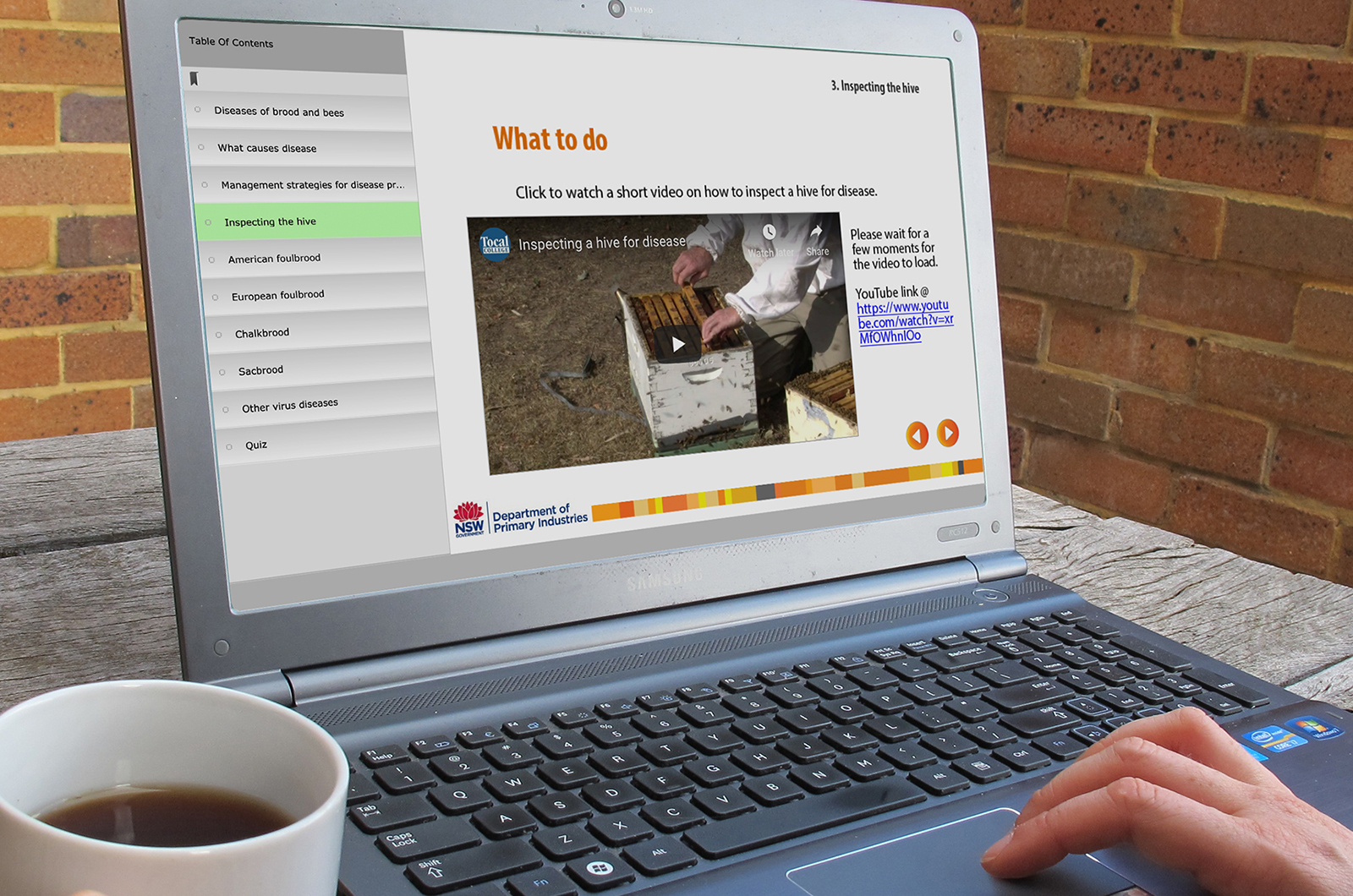 Type: Online
Units: 1