Participants must:
- Have a minimum of 12 months of prior experience working with bees and currently own or have access to active beehives to complete workplace-based assessments.
- Be a commercial beekeeper, a full-time employee of a commercial beekeeping business, or a beekeeper actively seeking to scale or diversify their apiary operations (as this is a trade-level qualification with a competitive, staged selection process).
- Be physically capable of carrying out active outdoor apiary work, including standing for extended periods, bending, lifting and moving heavy hive supers (weighing up to 15–20 kg), handling live frames, and transporting hives in varying weather conditions across uneven terrain.
- Supply and wear mandatory protective personal gear during practical work (including full bee suit or jacket with veil, protective gloves, and sturdy closed-in leather footwear).
- Strictly follow field biosecurity measures, sanitation protocols, and Work Health and Safety (WHS) directions.
Language, Literacy, Numeracy, and Digital Capability Requirements
To complete this qualification successfully, participants will need:
- Reading: Interpreting complex biosecurity codes of practice, state disease management regulations, Safety Data Sheets (SDS), chemical labels, pest/disease identification keys, and workplace safety frameworks.
- Writing: Completing biosecurity logbooks, hive inspection logs, chemical application records, batch extraction records, and workplace assessment reports.
- Numeracy: Calculating chemical and treatment dilution rates, measuring sugar syrup/pollen supplement ratios, tracking infestation levels (e.g., mite/pest threshold counts), monitoring brood frame numbers, and managing hive transport weights.
- Oral Communication & Hearing: Communicating effectively with biosecurity officers, supervisors, and peers, delivering safety briefings, and reporting suspected exotic pests or diseases immediately.
- Digital Literacy: Possessing basic-to-intermediate computing skills.


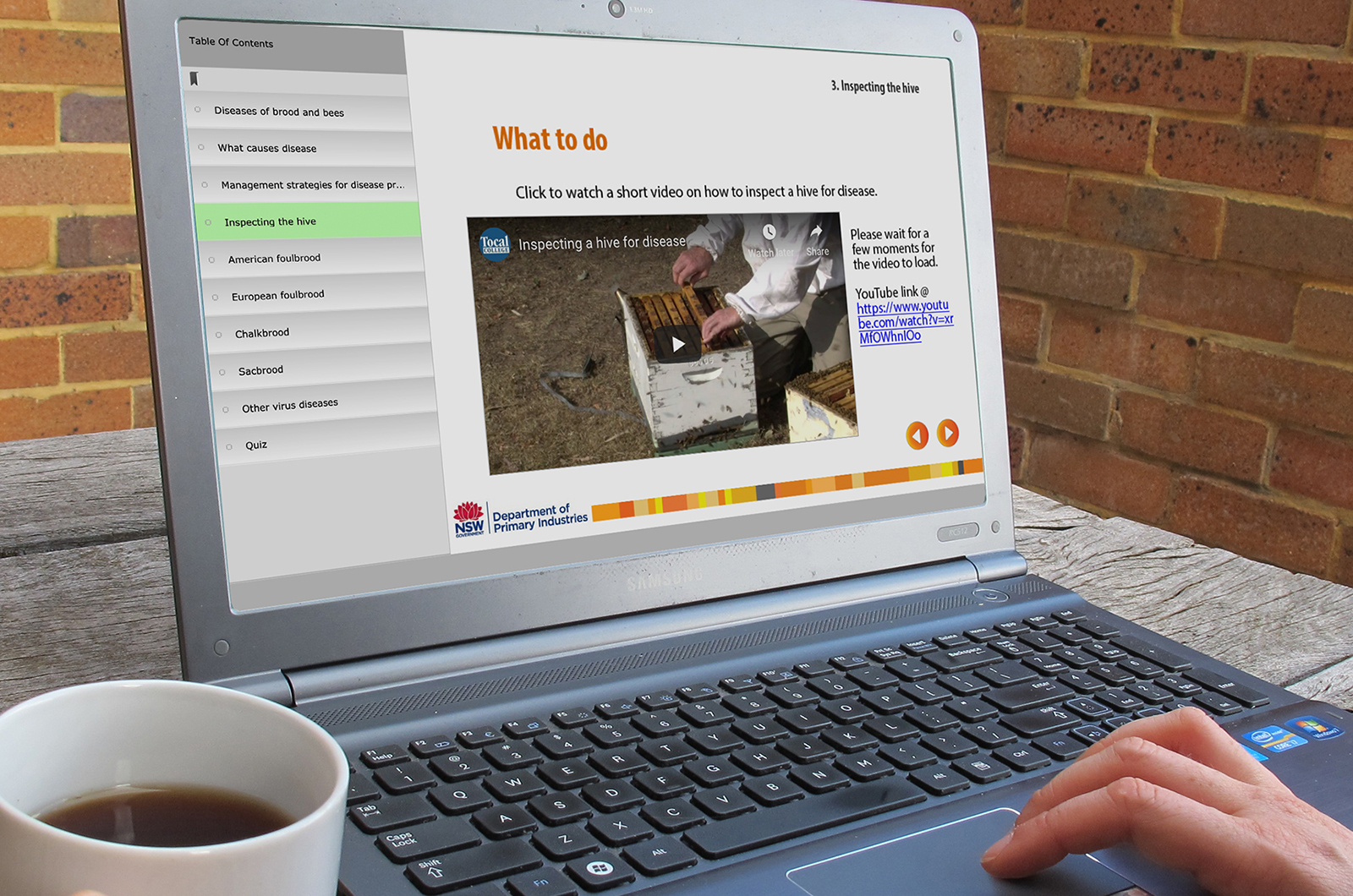 Type: Online
Units: 1