About this course

Keep your bee colonies healthy through every season

Bees face different nutritional challenges throughout the year, particularly during droughts, fires, floods and outbreaks of pests and diseases. This one-day, non-accredited course will help you understand what your colonies need to stay healthy and how to manage changes in food availability and environmental conditions.

You’ll learn how to:

  • recognise factors that can cause stress to your bee colonies
  • identify signs of nutritional stress in your bees
  • assess seasonal food sources and plan for periods when forage is limited
  • understand options for supplemental feeding
  • maintain colony strength to support productivity and pollination
  • apply practical management strategies to reduce the effects of nutritional stress.

This course is for NSW commercial beekeepers and their employees and will help you make informed decisions about colony nutrition and improve your ability to care for your bees throughout the year.

Is this course right for me?

Before registering, consider whether this course suits your beekeeping experience and goals. This one-day course is designed for beekeepers who want to better understand colony nutrition and manage seasonal challenges that can affect bee health. You should be interested in monitoring your colonies, recognising signs of stress and learning practical ways to improve their health and strength. This is a non-accredited course, so it focuses on building your knowledge and practical understanding. If you want to improve your skills in managing bee nutrition throughout the seasons, click on the register now button.

At a glance:

Location: Statewide
Course duration: 1 day
Start date: Multiple intakes
Number of units: Non-accredited
Indicative fees: (Nil to eligible participants)
Accredited Course: No

Details

  • recognise factors that may cause stress to your colonies
  • recognise and understanding the signs of nutritional stress in your colonies
  • assess seasonal forage conditions and planning for gaps
  • understand available supplemental feeding options
  • support colony strength for productivity and pollination
  • apply a range of practical management options to minimise the impacts of nutritional stress

Funded under the Varroa Management Program for eligible beekeepers

  • One day, 8.00 am–4.00 pm
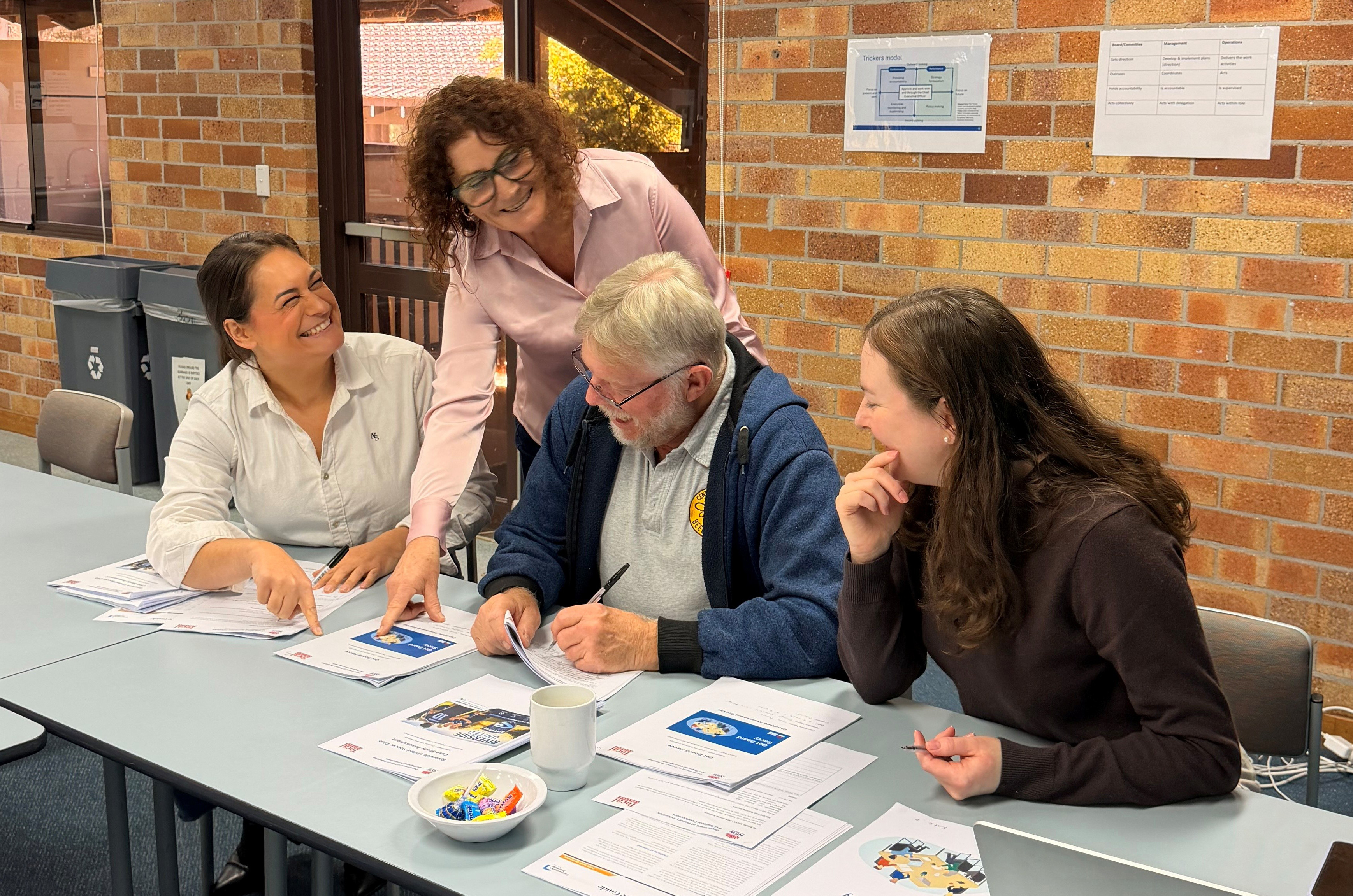
  • A combination of theory and in-class discussion
  • Delivered indoors - training is not impacted by weather

    Participants receive course training materials:

  • AgGuide Honey bee nutrition: fat bees not skinny bees

Participants must:

  • Be a NSW commercial beekeeper, commercial apiary employee, or active bee producer seeking to optimize seasonal colony health, supplemental feeding, and hive management.
  • Have a working knowledge of honey bee colony management, seasonal management cycles, and hive maintenance.
  • Be comfortable reviewing seasonal floral availability maps, nutrition formulations, and environmental stress management strategies.

Language, Literacy, Numeracy, and Digital Capability Requirements

To complete this course successfully, participants will need:

  • Reading: Interpreting floral resource calendars, pollen/nectar nutritional profiles, protein-to-carbohydrate ratios, pollen supplement mixing charts, and environmental disaster response guides.
  • Writing: Drafting seasonal nutrition plans, logging supplemental feeding volumes, recording hive health scoring metrics, and updating apiary management records.
  • Numeracy: Calculating pollen supplement and syrup feeding ratios, calculating total feeder quantities per apiary site, estimating protein intake requirements (crude protein threshold), and monitoring brood box frame counts during stress periods.
  • Oral Communication & Hearing: Discussing seasonal feeding strategies with trainers and commercial peers, participating in group case studies, and sharing field management solutions.
  • Digital Literacy: Basic computer or smartphone skills.

This is an unaccredited course.


Additional Information

For information on students rights and responsibilities, and the Tocal College Code of Practice see Industry qualification student policies.

Check out some of the other short courses and full qualifications offered at Tocal https://www.tocal.nsw.edu.au/home


Related courses