About this course

Keep your chemical application skills up to date

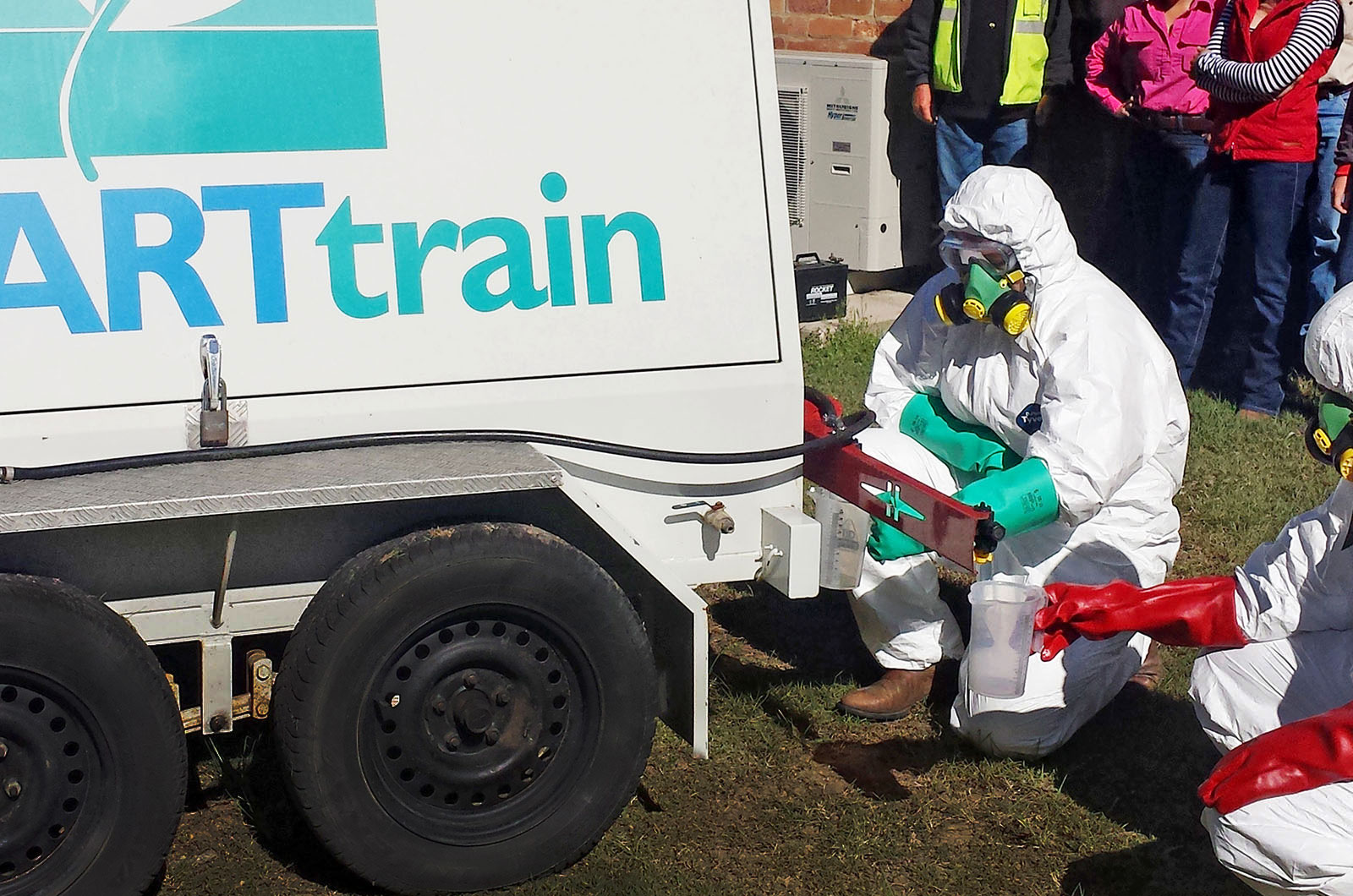
Chemical accreditation cards expire after five years, so it’s important to keep your skills and knowledge current. This one-day SMARTtrain® reaccreditation course with Tocal College will help you refresh your knowledge of safe chemical use, stay up to date with current requirements and maintain your accreditation so you can keep working.

You’ll refresh your knowledge of how to:

  • understand the legal requirements for the safe use of chemicals
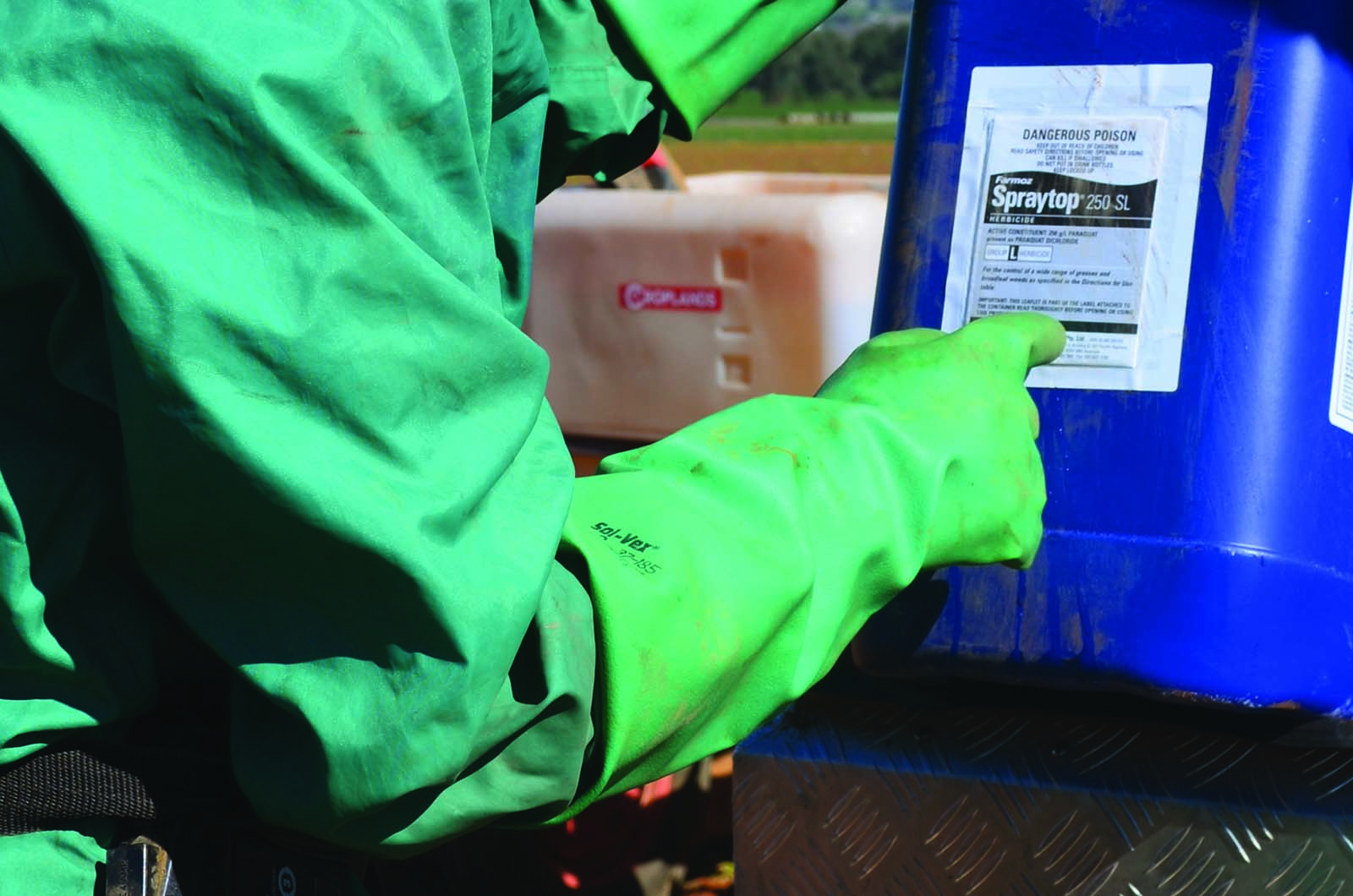
  • read and interpret chemical labels and Safety Data Sheets (SDS)
  • safely transport, handle and store chemicals
  • prepare and apply chemicals to control pests, weeds and diseases
  • identify sensitive areas and reduce the risk of chemicals moving off-target.
Is this course right for me?

Before registering, check that this reaccreditation course suits you. It is designed for people who already hold chemical accreditation and need to refresh their skills and knowledge to keep their accreditation current. You should be comfortable reading chemical labels, following safety instructions and applying safe work practices. If your chemical accreditation card is due to expire and you want to keep your skills up to date and continue working with chemicals, click on the register now button.

At a glance:

Location: Statewide
Course duration: 1 day
Start date: Multiple intakes
Number of units: 2
Indicative fees: $315 GST-free, Nil to eligible applicants
Accredited Course: Yes

Details

  • Integrated pest and resistance management
  • Legislation in the workplace, including recordkeeping requirements
  • Using chemicals according to the label and SDS
  • WHS and the workplace
  • Application equipment and calibration
  • Chemical application, including spray plans, drift management and residues
  • Transport, storage and disposal of hazardous chemicals

The fee for this course is $315 GST-free. This includes SMARTtrain® chemical card issue.

This course will increase participants' understanding in relation to the safe transport, storage and use of hazardous chemicals and meet the training requirements of:

  • Legislation framework
  • Hazard and risk identification
  • Emergency Managment
  • Records and review

  • Participants will receive the following resources:
    • a reference manual
    • an assessment guide
    • a NSW State legislation supplement
    • a Calibration and Records supplement.
  • This course is delivered face-to-face.

Participants must:

  • Strictly comply with chemical safety protocols, Work Health and Safety (WHS) directives, and environmental protection guidelines during all practical exercises.
  • A current or recently expired AQF3 accreditation certificate or card must be provided on request to qualify for re-accreditation.

Language, Literacy, Numeracy, and Digital Capability Requirements

To complete this course successfully, participants will need:

  • Reading: Interpreting complex chemical product labels, Safety Data Sheets (SDS), spray calibration charts, weather condition meters, and relevant state chemical control legislation.
  • Writing: Completing chemical application logs, spray record sheets, chemical inventory registers, risk assessments, and emergency spill procedure documentation.
  • Numeracy: Calculating chemical dilution rates, tank mix ratios, water application volumes per hectare, boom spray application speeds, and calibration calculations.
  • Oral Communication & Hearing: Communicating effectively regarding chemical safety hazards, conducting pre-application site risk briefings, and following instructor safety directions.
  • Digital Literacy: Basic computer or smartphone skills

This course is mapped to the following national units of competency:

Note: In some states and territories, it is a legislative requirement for people using chemicals unsupervised to be accredited. Check with your state/territory authority for advice.


Additional Information

  • For information on students rights and responsibilities see our Policies.
  • State or territory licensing applies in some jurisdictions.


Upcoming Scheduled Courses

Related courses